
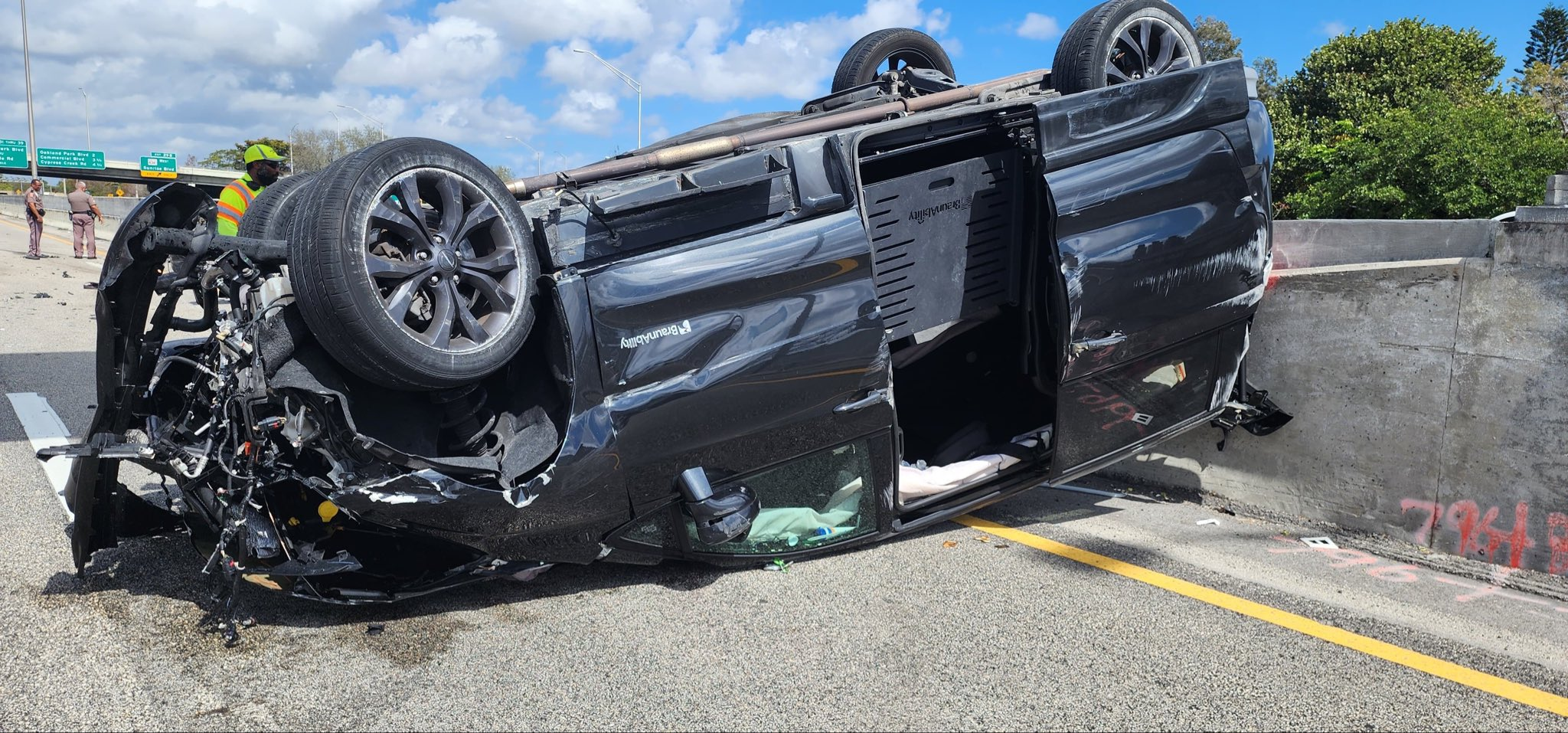
Legal action is not the starting point for most car accident claims, but it becomes necessary more often than people expect. Negotiations, paperwork, and back-and-forth with insurers can stall or break down entirely. In those moments, filing a lawsuit may be the only way to protect the value of a car accident case and force unresolved issues into a formal setting.
When the Insurance Company Refuses Fair Settlement Offers
Insurance companies are businesses, and their first goal is limiting payouts. In many cases, settlement offers fail to reflect the true cost of injuries, lost income, and long-term impact. When negotiations reach a standstill despite clear documentation, court involvement becomes the next step.
A lawsuit creates accountability. Once litigation begins, insurers face discovery deadlines, sworn testimony, and judicial oversight. For people searching for a car accident attorney near me in Huntsville AL, this step often signals that informal negotiation has been exhausted and stronger action is required.
If Liability Is Actively Disputed by the Other Driver
Some car collisions involve clear fault, while others do not. If the other driver denies responsibility or shifts blame, insurers may refuse to pay altogether. Disputes over lane changes, right-of-way, or signal timing often fall into this category.
Court allows these issues to be examined under evidence rules. Accident reconstruction, witness testimony, and physical evidence can be evaluated by a judge or jury. Auto accident lawyers near me often recommend litigation when liability disputes prevent meaningful settlement progress.
When Serious Injuries Exceed Policy Limits of All Insurers
Severe injuries can generate costs far beyond standard insurance limits. Medical care, future treatment, permanent impairment, and loss of earning capacity quickly add up. When available policies cannot cover those losses, court action may be needed to explore additional sources of recovery.
This can involve pursuing claims against multiple parties or challenging coverage interpretations. In Huntsville AL, cases involving catastrophic harm often require judicial involvement to ensure full consideration of financial responsibility.
If Key Evidence or Witnesses Are Only Available Under Oath
Not all evidence is freely shared during pre-suit negotiations. Some witnesses refuse to give statements, and certain records are only produced through subpoenas. Without formal legal authority, critical facts may remain hidden.
Litigation provides tools such as depositions and document requests. These tools compel cooperation and allow sworn testimony. A car accident case may need court oversight simply to access the information necessary to prove what actually happened.
When Settlement Deadlines Expire with No Agreement Reached
Negotiations often operate under time pressure. Demand letters, counteroffers, and deadlines create structure, but they do not guarantee resolution. If deadlines pass without agreement, delaying further can jeopardize legal rights. Filing a lawsuit preserves the claim and resets the process. Court timelines replace informal negotiation schedules, ensuring the case continues moving forward. This step is common in prolonged car collision disputes where progress has stalled.
If Punitive Damages Must Be Pursued Through a Judge or Jury
Punitive damages are not about compensation alone; they address reckless or intentional behavior. Drunk driving, street racing, or extreme misconduct may justify these damages, but insurers rarely agree to them voluntarily.
Courts decide whether punitive damages apply. Presenting such claims requires evidence of conduct beyond negligence. Auto accident lawyers near me often pursue litigation when accountability and deterrence become central issues.
When Complex Medical Causation Needs Expert Testimony
Some injuries are not immediately obvious or easily connected to a crash. Chronic pain, neurological issues, or aggravated preexisting conditions often require expert explanation. Insurance adjusters frequently challenge these claims. Court provides a forum for expert testimony. Physicians and specialists can explain causation under oath, clarifying how the car accident caused or worsened the condition. In Huntsville AL, these cases often hinge on expert credibility rather than paperwork alone.
If Coverage Gaps Require Legal Interpretation in Court
Insurance policies contain exclusions, conditions, and ambiguous language. Disputes over coverage scope, additional insured status, or policy stacking may arise. Insurers may deny claims based on interpretations that are not straightforward.
Judges resolve these disputes. Court action allows legal arguments about policy language to be heard and decided. A car accident case involving coverage gaps often cannot move forward without judicial clarification.
When Appeals Are Necessary After an Unfavorable Ruling
Even after a trial or hearing, the process may not end. Errors in procedure, evidence rulings, or legal interpretation can affect outcomes. Appeals allow higher courts to review those decisions.
Appeals are complex and time-sensitive. They focus on legal issues rather than new evidence. Auto accident lawyers near me may recommend this route when a ruling does not align with the law or the facts presented.
Court is not the goal in every car accident case, but it remains an essential tool when disputes cannot be resolved otherwise. The Lackey Law Firm is focused on helping injured individuals understand their options and take informed action after a car collision. Their team works through the details of each case, from evaluating insurance positions to preparing claims that are ready for litigation when necessary. By combining careful case analysis with strong courtroom preparation, they aim to protect clients from unfair outcomes and push cases toward resolutions that reflect the full impact of the accident.